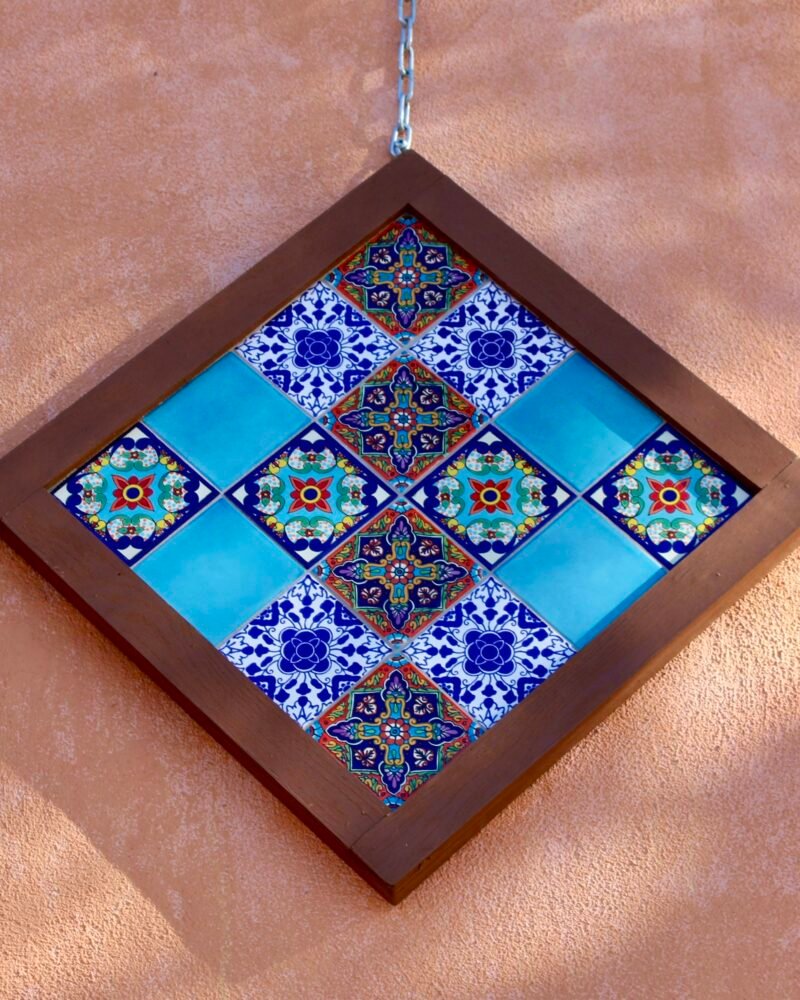
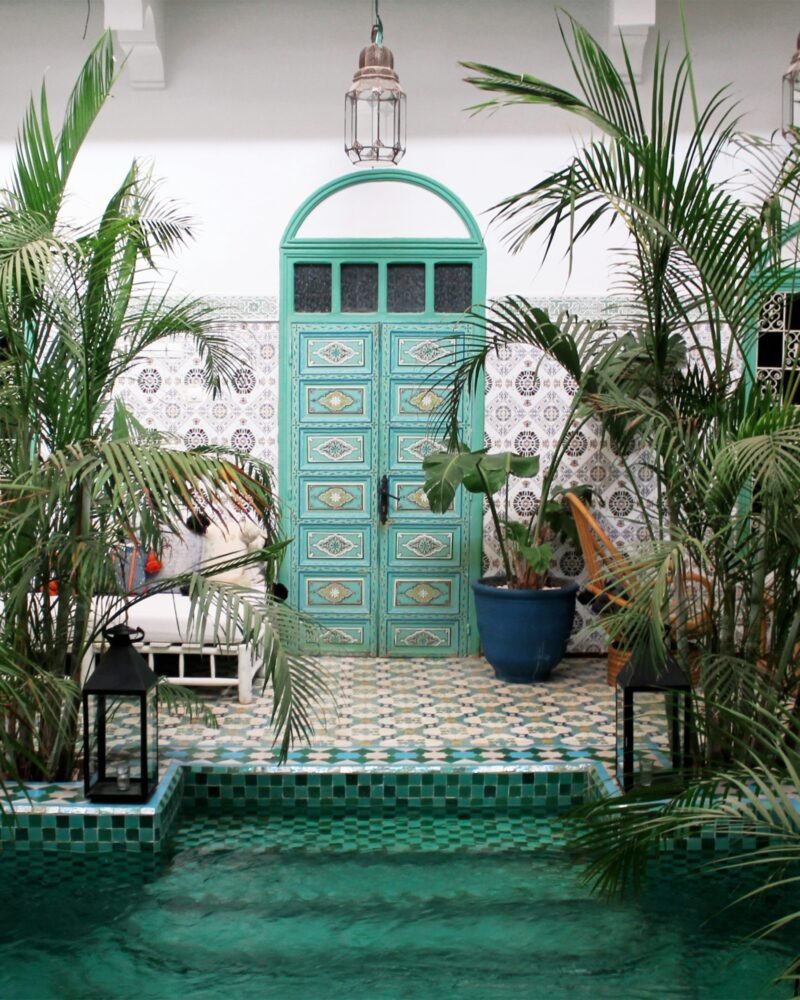
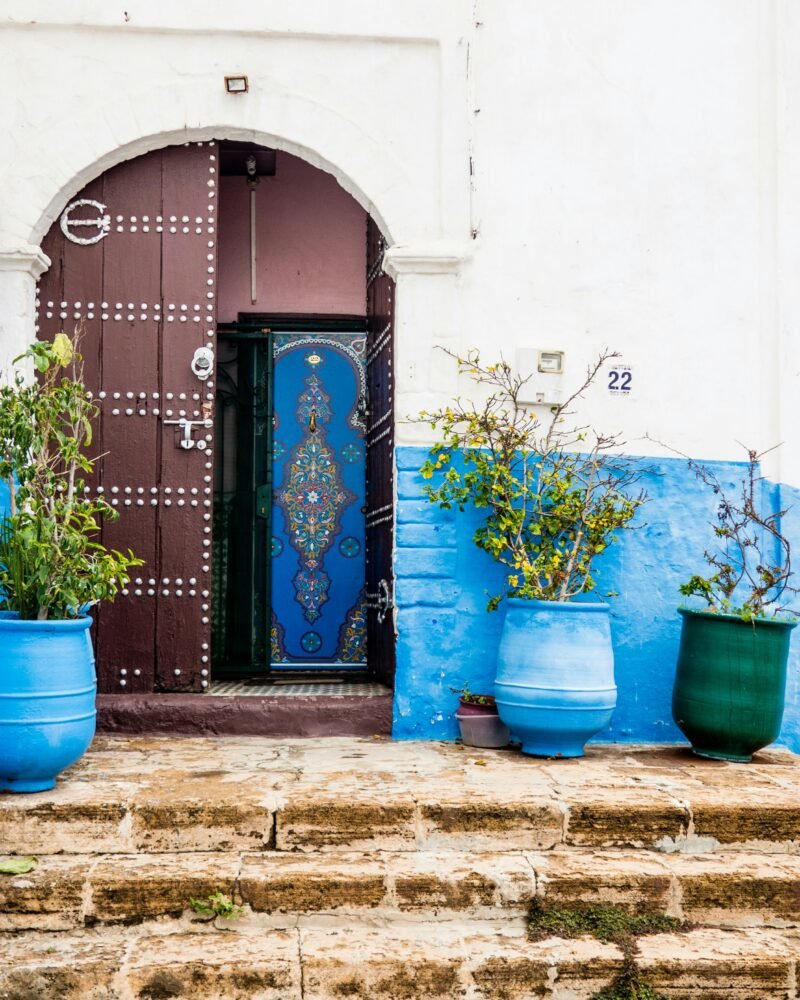
Quick answer: Selecting zellige color requires more than matching an online swatch to a paint sample. Handmade glazed ceramics can show nuanced differences from piece to piece, and lighting, grout and surrounding materials change the final impression. Zellige Atelier provides 30 internal color directions that help start a conversation with prospective workshops—but a digital approximation is never a signed-off production sample.
Research-based guide, updated October 2026. Project-specific technical, customs or pricing claims require confirmation by the actual supplier or qualified professional.
Questions and answers
- Is there a universal Moroccan zellige color numbering system?
- How should I choose between warm white and bright white?
- Does green zellige always look the same in photos?
- How many colors should I use in one mosaic?
- What is the relationship between tile shape and glaze?
- Can I specify a precise Pantone or digital hex color?
- How should colors appear in a quotation request?
Is there a universal Moroccan zellige color numbering system?
Not one that every workshop must use. Individual producers may maintain their own color charts, glaze names and sample codes. Our reference ZELLIGE-COL-0001 means Moroccan White in Zellige Atelier’s internal catalog, and ZELLIGE-COL-0017 refers to Emerald Green. These identifiers help sort design requests; they do not prove availability or identify a factory standard.
How should I choose between warm white and bright white?
Place approved physical samples beside the actual cabinet, stone, plaster and flooring finishes. Evaluate them in natural and artificial light because a slightly ivory glaze may look pale gray near a cool countertop. Order enough tiles to see shade range; one isolated polished tile cannot communicate the full appearance of a handmade wall.
Does green zellige always look the same in photos?
No. A handmade green glaze can reflect warm gold tones, cooler blue-green highlights or darker edges depending on surface relief and lighting. Screen settings and photograph editing add further differences. Separate an editorial photograph showing design mood from the supplier’s physical sample and agreed glaze description. A digital sample should never be called a real production batch.
How many colors should I use in one mosaic?
That depends on the motif and architectural intent. Traditional geometric panelwork can use several contrasting tones, while a contemporary wall can use one color with natural variation. If choosing multiple colors, share a precise palette and scaled motif before asking a workshop to price the assembly. More complexity may affect labor and sample approval.
What is the relationship between tile shape and glaze?
A glossy glaze reflects light differently on an irregular square, a slender rectangular piece and a cut star. Small shapes create many edge transitions that can make color appear more varied. Lighting and grout create additional visual rhythm. Ask for a mock-up that matches the actual format and joint treatment—not just a color chip shown in isolation.
Can I specify a precise Pantone or digital hex color?
You can share such a reference as an inspiration target, but ceramic glaze results cannot be promised to match screen RGB or a printing standard without the producer’s own test samples and agreement. Clay body, firing and glazing chemistry affect the outcome. Written sample sign-off should define acceptable variation before the buyer commits to manufacturing.
How should colors appear in a quotation request?
Identify the color by name and internal reference, then attach reference images and indicate whether the final result must match a provided physical sample. Add tile shape, installation area, quantity and U.S. destination. The workshop can then propose actual glaze options and state what it is able to achieve.
Sources and further reading
Related questions
Browse all 500 design concepts or submit a free project quotation request. The online catalog shows design references, not confirmed manufacturing inventory.